
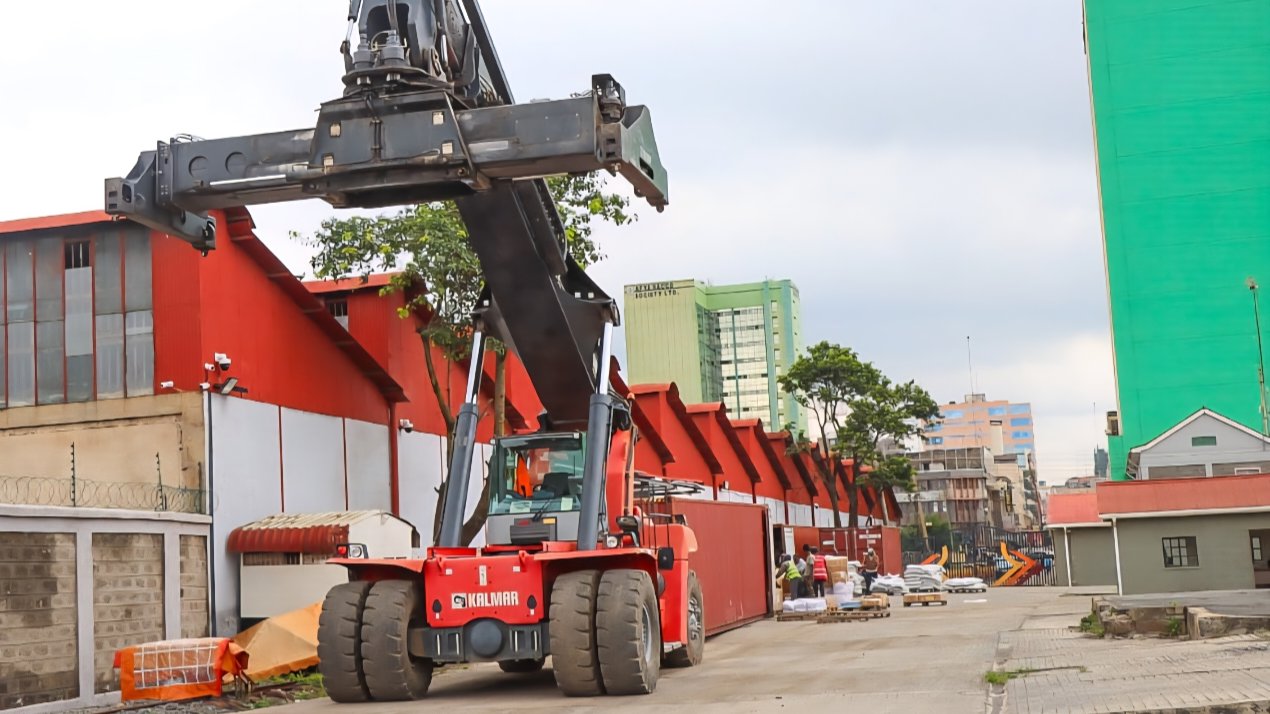

Kenya Railways Corporation (KRC) is encouraging small-scale importers to utilize its central freight facility to cut shipping and sourcing expenses. The agency highlighted the operational benefits of the National Cargo Deconsolidation Centre (NCDC) located in Nairobi.
The facility functions as a specialized clearance terminal for consolidated import shipments entering the country. Small enterprises pool cargo overseas, which is then transported directly to the capital for final customs processing.
Freight moves from the Port of Mombasa via the Standard Gauge Railway (SGR) directly into the Nairobi transit shed. This direct rail link bypasses road congestion, which frequently delays long-distance haulage trucks along the main highway corridor.
The operational hub is managed jointly with the Kenya Revenue Authority (KRA) to simplify clearance procedures. Once freight trains arrive at the depot, containerized shipments are offloaded for immediate inspection, inventory logging, and physical separation.
Heavy material handling machinery, including high-capacity reach stackers, manages container positioning within the yard. Dedicated terminal equipment operates continuously, which ensures fast turnaround times for arriving rail wagons and cargo units.
Importers clear their cargo on a parcel-by-parcel basis rather than handling entire forty-foot containers individually. Customs officers inspect separated shipments on site, which allows compliant goods to be released without unnecessary holding delays.
KRC confirmed that the facility helps traders avoid heavy port storage fees and costly demurrage penalties. By holding cleared items in a secure covered warehouse, the centre provides flexible pickup windows for local business operators.
Traders collect their cleared consignments using light commercial trucks, pickups, or localized transport equipment. Direct access to the railway transit shed eliminates intermediary handling markups, which reduces total supply chain costs for small firms.
The depot houses administrative spaces for cargo consolidators, tax officers, and trade association representatives. Bringing key regulatory authorities together under one roof streamlines documentation clearance, which significantly shortens overall processing times for importers.
Standardized customs duty charges based on cubic meter space provide traders with clear cost projections. Importers can calculate exact import taxes before ordering goods overseas, which reduces financial uncertainty during international procurement cycles.
The government established the deconsolidation infrastructure model to support small businesses. By moving primary clearance activities directly into Nairobi, authorities aim to make international trading routes accessible to a broader base of local entrepreneurs.
Operations at the transit shed run on a continuous schedule to align with freight train timetables from the coast. Integrated cargo tracking systems and perimeter security measures ensure that goods remain safe throughout the receiving process.
Logistics analysts emphasize that rail-linked deconsolidation hubs decrease overall pressure on national road networks. Transferring containerized imports from trucks to rail lines lowers highway maintenance costs and reduces carbon emissions along major freight channels.
Importers using the facility benefit from reduced paperwork and centralized verification services. KRC and partner agencies monitor daily container throughput to prevent bottlenecks, which maintains smooth cargo flow through the Nairobi terminal.
The state-backed facility continues to process various commercial goods, including electronics, textiles, and hardware supplies. Efficient distribution from the capital enables traders to restock urban shops faster than through conventional maritime port clearance channels.
KRC plans to maintain competitive facility tariffs to encourage wider adoption among regional traders. Continuous upgrades to cargo handling systems will further support small-scale commercial activities across Kenya.
Comments (0)
Leave a Comment
No comments yet. Be the first to share your thoughts!