

A version of this article appeared on Nation.Africa.
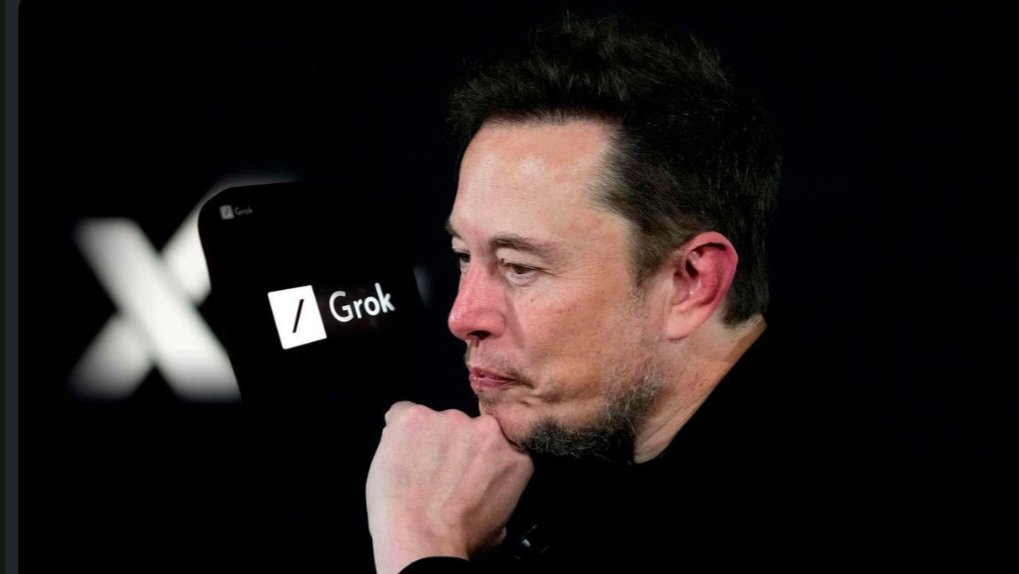
A British member of parliament has filed a case at the High Court in London against Tesla Incorporated Chief Executive Officer Elon Musk's xAI, following the use of its Grok chatbot tool to create fake, sexualised images of her without her consent.
Jess Asato, a legislator representing the ruling Labour Party, lodged the legal claim on Wednesday, citing breaches of data protection law and the misuse of her private information.
The legal proceedings challenge the tech firm over the deployment of its image generation platform.
According to the lawsuit, the automated tool allowed users to manipulate online images of real individuals through simple text prompts.
The claimant reported that after she publicly criticised the technology in January, users generated explicit material depicting her in a bikini, alongside an artificial intelligence video simulating a sexual assault.
Legal representatives from the firm AWO, who are managing the case, stated that the action aims to establish liability regarding the specific architectural and design choices made during the development of the artificial intelligence system.
Ravi Naik, the legal director at AWO, argued that the generation of these deepfakes was the direct result of deliberate system parameters rather than an unforeseen technical malfunction.
The case serves as a prominent test within the legal sphere, investigating whether developers can be held directly responsible for content generated by their proprietary software tools.
British Prime Minister Keir Starmer expressed full support for the legal action, describing the generated media as disgusting.
The controversy surrounding the chatbot emerged earlier this year after researchers reported the widespread creation of non-consensual images on the platform, which is integrated into the social media network X.
In response to global criticism, xAI implemented restrictions on its image-editing capabilities and blocked users from generating explicit imagery within jurisdictions where such material is illegal.
The European Union launched a formal probe into the technology, and regulatory investigations have commenced in France and the United Kingdom.
Legal experts note that the ongoing boom in non-consensual deepfakes continues to move faster than international regulatory frameworks can adapt.
The lawsuit adds to the legal scrutiny facing the technology sector as governments push for stricter compliance measures to protect individuals from online harassment and data misuse.
Comments (0)
Leave a Comment
No comments yet. Be the first to share your thoughts!