

A version of this article appeared on Nation.Africa.
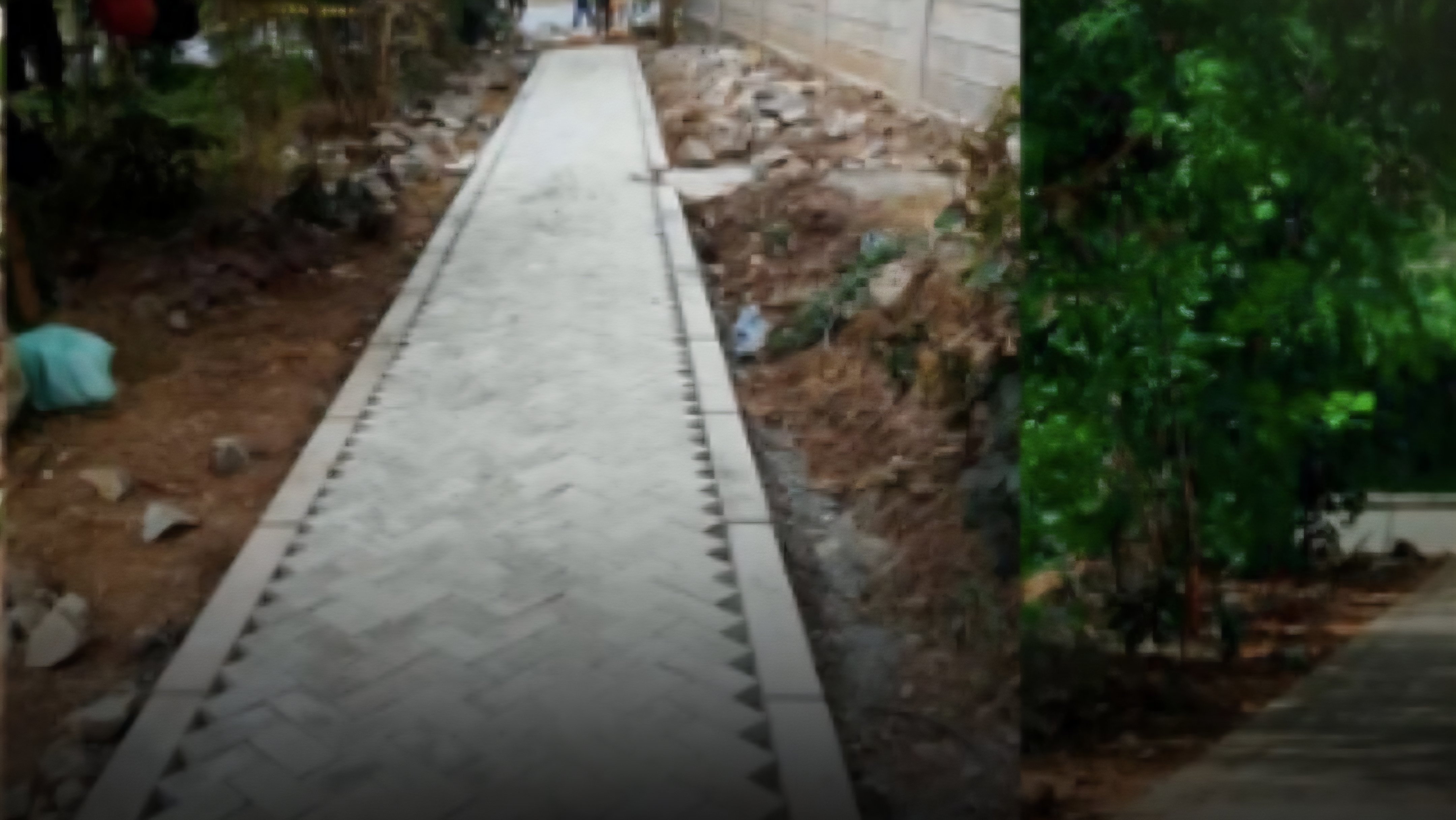
On a recent afternoon in Nairobi's Upper Hill, pedestrian traffic moved steadily along a newly paved walkway near Kenyatta National Hospital.
Few commuters paused to notice anything unusual about the neat rows of paving blocks beneath their feet. The walkway looks identical to standard urban paths, but it represents a groundbreaking trial of carbon-capturing concrete technology in East Africa.
Kenyan technology firm ZEN Carbon manufactured the paving blocks by locking captured Carbon Dioxide (CO2) directly inside the concrete mix. This process permanently converts the gas into solid minerals, preventing atmospheric pollution.
To supply the trapped gas, regional Direct Air Capture (DAC) developer Octavia Carbon extracted CO2 directly from ambient air. The gas chemically binds with concrete ingredients during batching, creating a durable and stable building block.
The initial pilot project covers a 76-square-metre pedestrian path in the Upper Hill commercial district. Technical evaluations confirm that this single installation successfully traps approximately 37.73 kilograms of CO2 permanently within the paving blocks.
Civil engineers designed the Upper Hill walkway to evaluate how carbon-mineralized materials withstand standard urban traffic. Local testing facilities are currently measuring compressive strength, curing times, and structural durability under high daily foot traffic.
Urban contractors operating in dense commercial nodes like the Central Business District (CBD) require reliable building materials. Site crews confirmed that the mineralized blocks were handled using standard installation tools, which eliminates the need for expensive specialized site machinery.
Decarbonization in regional construction has increasingly focused on reducing heavy emissions generated during traditional cement manufacturing. Cement production accounts for a substantial portion of global greenhouse emissions, driving the urgent search for low-carbon building alternatives.
Policy directions under President Ruto have placed strong emphasis on clean-tech innovation and green economic expansion across key industrial sectors. Emerging sustainable public procurement frameworks could soon expand market opportunities for local firms producing low-emission building components.
Although interest in sustainable building products is rising rapidly, widespread adoption across Kenya requires clear engineering standards and robust performance data. Industry experts emphasize that continuous field testing remains essential before these materials can be deployed across major state infrastructure projects.
Initial field inspections along the Upper Hill pathway indicate that the surface maintains excellent structural integrity. Project managers view the finished installation as an important baseline for evaluating low-carbon materials in future municipal roadworks.
Sustainable material suppliers plan to expand production capacity to serve larger commercial and residential developments across the country. Continuous data collection from the Upper Hill site will directly inform future material specifications for public works departments.
As urban expansion accelerates across Kenya, engineers continue searching for building practices that lower structural carbon footprints without driving up costs. The successful deployment of carbon-mineralized pavers in Nairobi provides a clear pathway toward sustainable, next-generation infrastructure development across the region.
Comments (0)
Leave a Comment
No comments yet. Be the first to share your thoughts!