
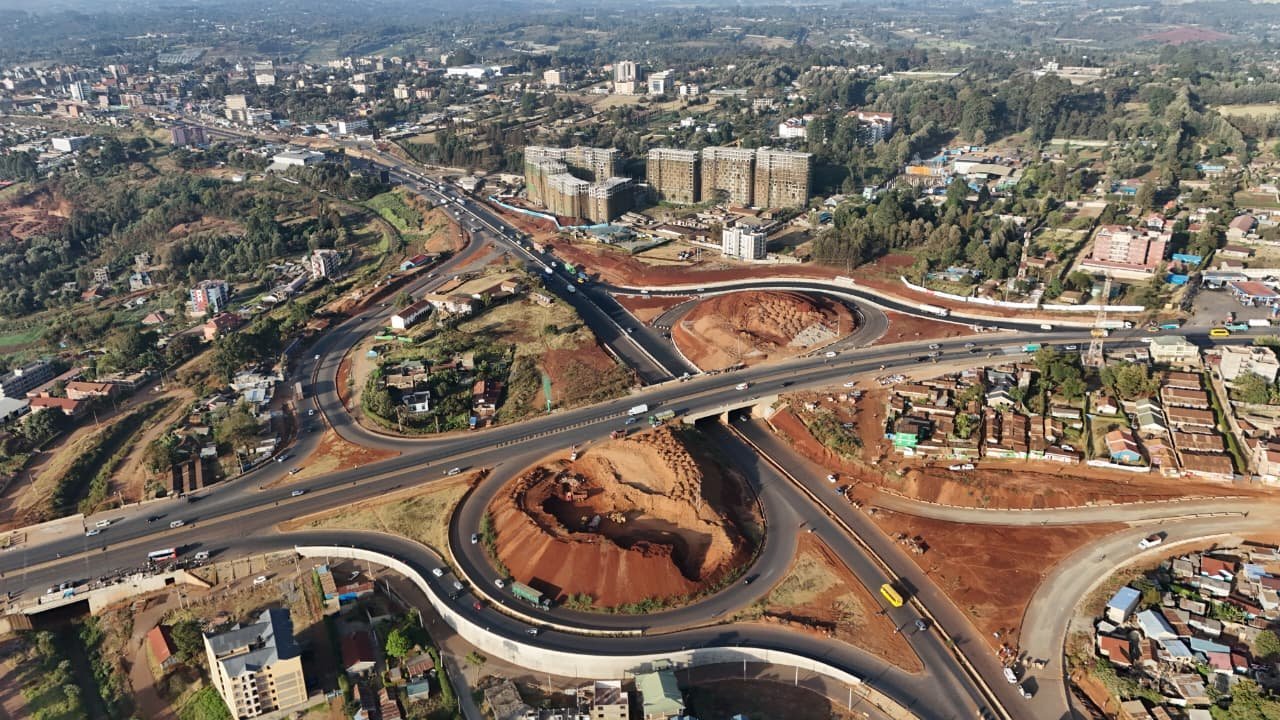

The landscape of Kenyan civil engineering is undergoing a period of intense scrutiny as the government balances fiscal constraints with the need for modern transport networks. Recent updates on primary road corridors and energy facilities suggest a tightening of project management protocols across the country.
President Ruto has indicated that the completion of pending road projects remains a priority, though the focus has moved toward ensuring value for money. This shift comes as several major contracts enter critical phases of construction, requiring precise coordination between local contractors and international consultants.
Large-scale works, including the expansion of northern corridor segments, are currently seeing increased activity. These projects are intended to streamline the movement of goods from the Port of Mombasa to landlocked neighbors, which is a perennial challenge for regional logistics.
Maintenance backlogs have also become a focal point of recent engineering assessments. Reports indicate that several arterial roads require urgent rehabilitation to prevent complete structural failure. This has led to a renewed emphasis on the performance of the Road Maintenance Levy Fund.
On the global stage, civil engineering firms are grappling with the volatility of raw material prices. The cost of bitumen and high-tensile steel has fluctuated significantly over the last few quarters, impacting the bottom line of many international consortiums.
Technological integration is no longer optional for these large-scale builds. Many sites are now utilizing advanced drone surveys and real-time data monitoring to track earthworks progress. This level of oversight is becoming standard in projects funded by multilateral lenders.
In the energy sector, Kenya’s investment in geothermal power continues to draw international interest. The expansion of existing fields in the Rift Valley is seen as a blueprint for other nations looking to diversify their power grids with renewable baseload energy.
However, environmental concerns remain at the forefront of the engineering dialogue. New regulations require more robust impact assessments, particularly for projects cutting through sensitive ecosystems or high-density urban areas where displacement is a risk.
The bridge between policy and execution is often where these projects face the most friction. Bureaucratic delays in land compensation have historically slowed down work, but new frameworks are being tested to expedite these legal processes.
Public-private partnerships are being touted as the primary vehicle for future mega-projects. While these models offer a way to bypass immediate debt concerns, they require long-term commitments that can span decades, involving complex tolling or availability payment structures.
As Kenya moves through the 2026 calendar year, the success of these initiatives will likely be measured by their ability to remain on schedule. Delays in the construction sector often have a cascading effect on the wider economy, affecting everything from fuel prices to the cost of consumer goods.
Engineers on the ground note that the quality of workmanship is under higher levels of inspection than in previous years. This follows a series of audits aimed at eliminating structural defects in public buildings and civil works.
While the ambition for world-class infrastructure remains high, the reality of the construction site is one of grit and logistical hurdles. The coming months will determine which of these projects will reach completion and which will face further adjustments.
Comments (0)
Leave a Comment
No comments yet. Be the first to share your thoughts!