
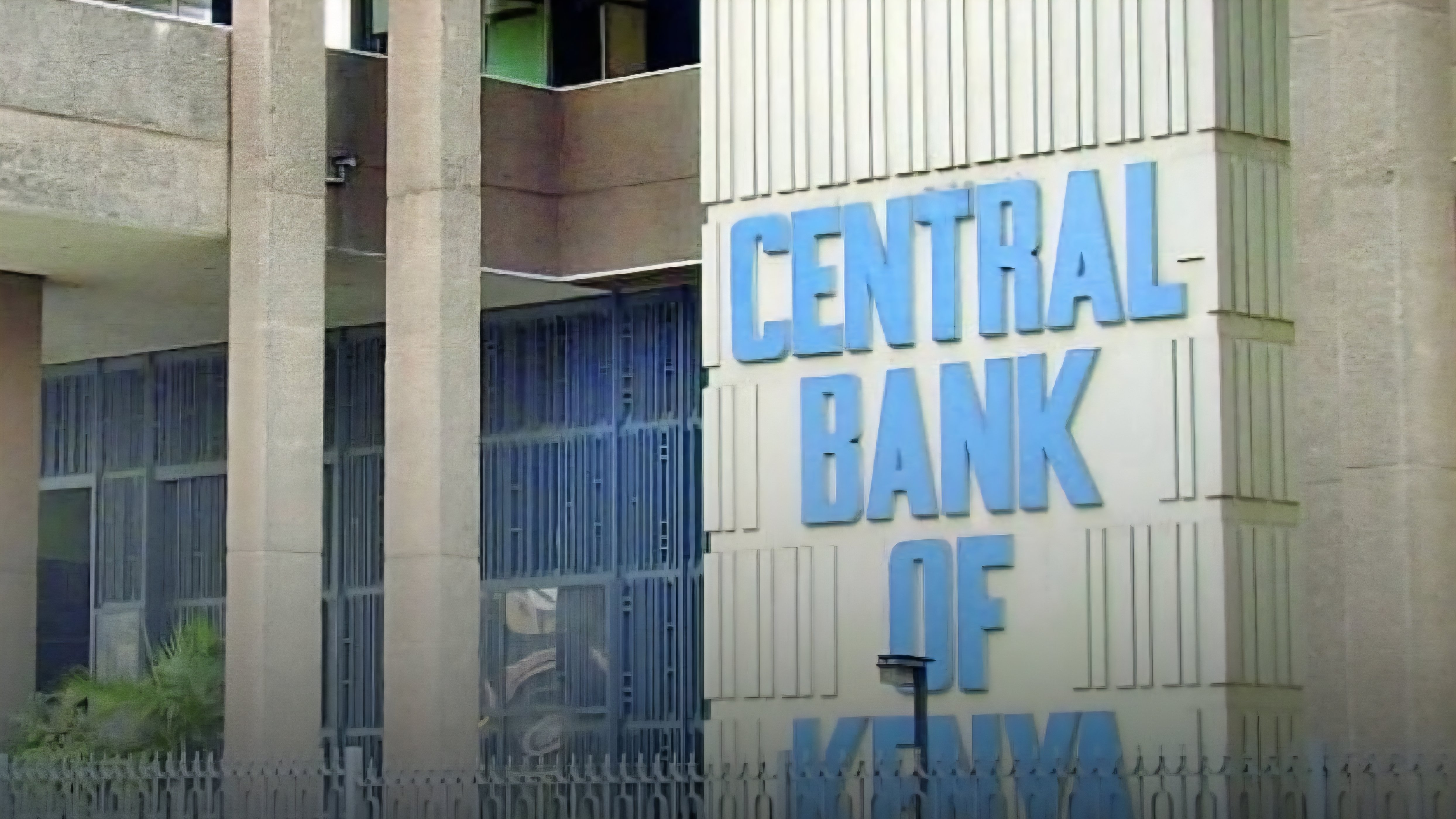

Digital Credit Providers (DCPs) across Kenya have started implementing stricter identity verification processes, requiring customers to submit a valid national identity card and a live selfie before accessing credit. The move follows a directive from the Central Bank of Kenya (CBK) aimed at enhancing the security of the digital lending ecosystem.
Previously, many digital loan users could access credit with minimal verification once they were registered on a mobile platform. The updated Know Your Customer (KYC) requirements are part of a broader effort to protect consumers from identity theft and ensure that lenders can accurately verify the person behind the screen.
The Central Bank of Kenya has been progressively tightening oversight on the digital credit sector through the Central Bank of Kenya Act (Amendment) 2021 and the Digital Credit Providers Regulations 2022. These frameworks have brought hundreds of formerly unregulated lenders under the direct supervision of the banking regulator.
While some customers have expressed concern over what they describe as an invasion of privacy and personal information, digital credit providers maintain that the additional details are necessary for the protection of borrower identities. The live selfie verification, in particular, is designed to prevent fraudsters from using stolen ID details to secure loans.
Tabby Mugechi, the Senior Compliance and Ethics Manager at Tala, noted that borrowers must complete the update of their personal information before they can continue to access credit. She explained that the verification process is aimed at enhancing security and protecting customers from fraud while ensuring seamless access to services.
The enforcement of these rules comes as the government considers further tightening through the Draft Non-Deposit Taking Credit Providers Regulations 2025. These proposed rules seek to deepen oversight of lenders that operate outside the traditional banking structures but serve a significant portion of the Kenyan population.
Under the current regulations, licensed digital lenders are required to maintain high standards of data protection and must comply with the Data Protection Act 2019. This includes ensuring that the personal information collected during the KYC process is used strictly for verification and is not shared with third parties without consent.
As of April 2026, the Central Bank of Kenya has licensed over 200 digital credit providers. These entities are now mandated to report loan data to Credit Reference Bureaus (CRBs) and adhere to strict consumer protection guidelines, including transparent interest rate disclosures and ethical debt collection practices.
For borrowers, the shift means that the days of instant, "no-questions-asked" digital loans are fading. While the increased documentation may slow down the initial application process, regulators argue that the long-term benefit is a more stable and secure financial environment for millions of mobile loan users in the country.
Comments (0)
Leave a Comment
No comments yet. Be the first to share your thoughts!