
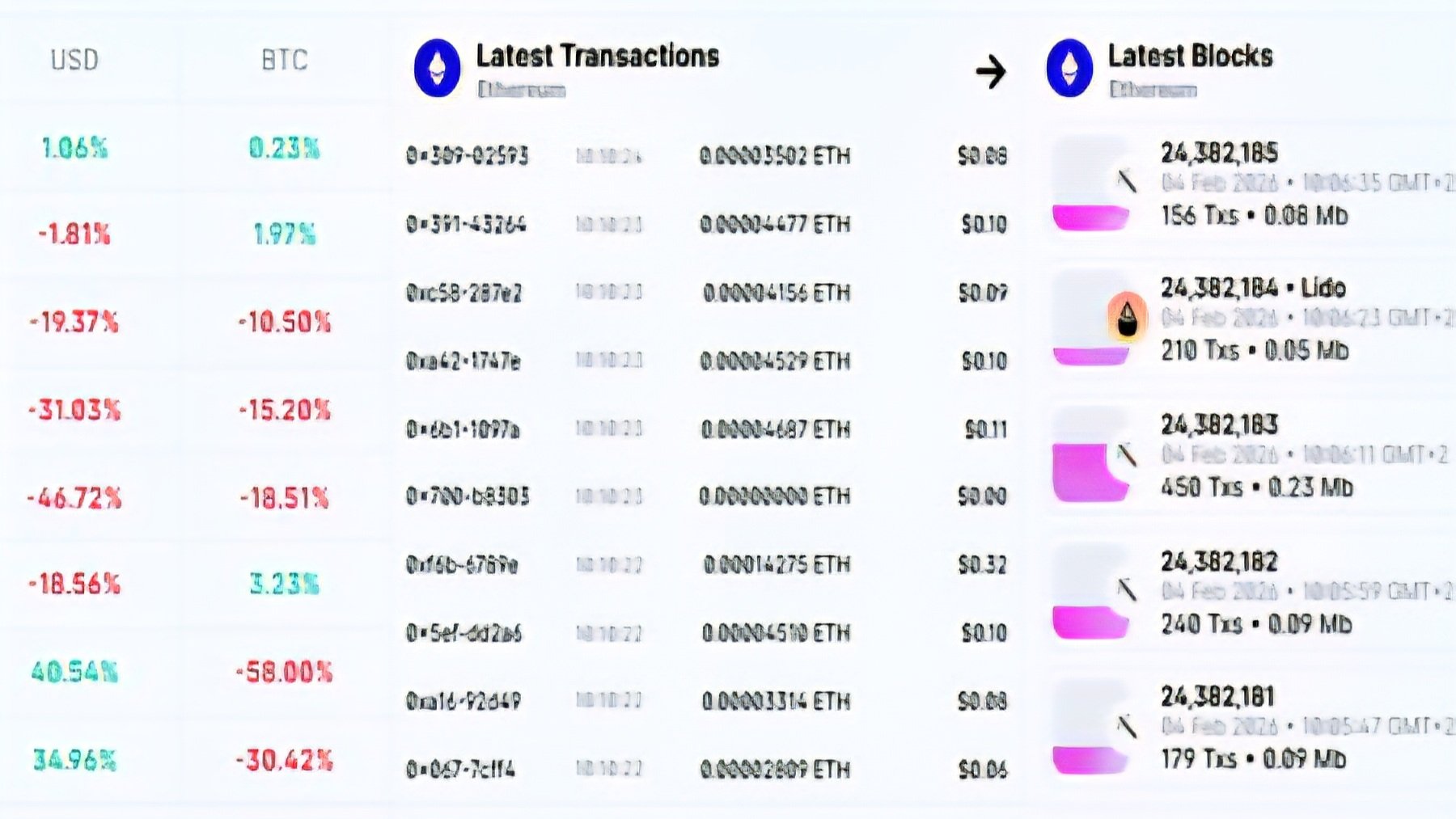

The Capital Markets Authority (CMA) plans to purchase an advanced blockchain analytics system under Kenya's new crypto law. This strategic acquisition is intended to help the regulatory body effectively oversee virtual asset service providers operating within the country.
According to preliminary details regarding the plan, the software will provide authorities with the capacity to actively detect suspicious transactions. By deploying this technology, the markets regulator intends to strengthen its enforcement capabilities and ensure compliance across digital asset networks.
The deployment comes amid a broader push by the government to establish clear oversight within the rapidly growing digital asset sector. The new system will allow the regulator to track fund movements, identify non-compliant entities, and mitigate risks associated with financial crimes in the crypto space.
As the implementation of the new crypto legislation progresses, this surveillance tool will serve as a core component of the state's regulatory infrastructure. It will enable the CMA to maintain comprehensive market visibility and protect investors from fraudulent schemes.
The digital asset industry has expanded significantly over recent years, prompting state institutions to seek technical solutions capable of matching the speed of decentralized transactions. The acquisition of this software represents a direct effort to modernize domestic regulatory tools.
By establishing these tracking capabilities, the authority aims to curb illicit financial flows that exploit the perceived anonymity of distributed ledgers. The monitoring platform will assist investigators in tracing transaction pathways, identifying wallet owners, and mapping complex asset transfers.
This technological integration is expected to reshape how local digital asset firms interface with state regulators. Companies seeking to operate legally within the market will need to ensure their transactions align with the transparency standards enforced by the new system.
Ultimately, the procurement forms part of a structured approach to transition the domestic digital economy into a heavily supervised framework. The state continues to prioritize financial security and consumer protection as it rolls out these sophisticated enforcement mechanisms.
Comments (0)
Leave a Comment
No comments yet. Be the first to share your thoughts!