
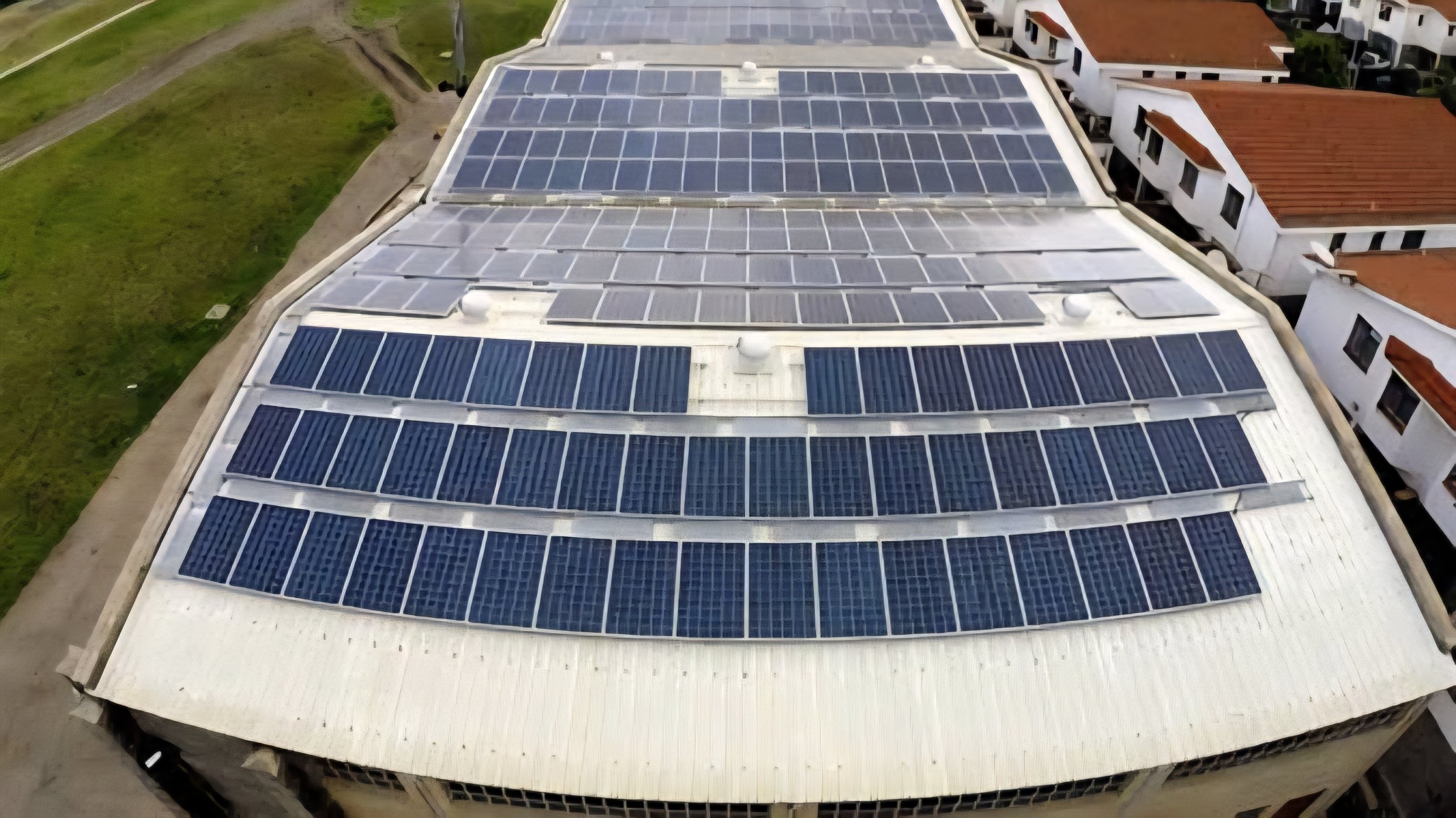

The government of Kenya plans to establish a centralized carbon exchange by March 2027, which will allow commercial enterprises to buy and sell carbon credits within a structured domestic market. This platform seeks to bring transparency to an industry that previously operated without local trading infrastructure.
This forthcoming platform aims to formalize local emissions trading, but it also completes a more robust institutional framework. State officials intend to shift focus away from fragmented bilateral deals, which have dominated the local green sector for over a decade.
Previously, Kenyan project developers relied entirely on private negotiations with overseas buyers, which often resulted in a lack of clear pricing. These transactions made it difficult for smaller developers to accurately value assets, when negotiating with large international corporations.
The new marketplace intends to fix this issue by introducing centralized price discovery, if local businesses participate actively. Standardized contracts will be traded on the exchange, which will enable clear settlement between buyers and sellers looking to offset greenhouse gas emissions.
The platform represents the final layer of Kenya's climate finance architecture, which already includes registration and benefit-sharing rules. President Ruto has championed these green financial instruments, which are designed to channel foreign investment into local infrastructure projects.
Before the exchange becomes operational, the Capital Markets Authority (CMA) must formally approve the proposed trading framework. This oversight ensures compliance with capital market laws, which protect investors from speculative practices and minimize transaction risks.
Furthermore, technical integration must be completed between the trading platform and the Kenya National Carbon Registry (KNCR), which serves as the official state database. This connection is essential to avoid double-counting, which can compromise the international credibility of issued credits.
The National Environment Management Authority (NEMA) manages this digital ledger, which was officially launched on 16 February 2026 to track all transactions. The state authority ensures that every project complies with national climate goals, before any credits can be listed for trade.
These regulatory developments follow the gazettement of the Climate Change (Carbon Markets) Regulations, 2024, which established clear rules for local community earnings. The state aims to prevent exploitation, which has historically occurred in unregulated carbon programs across rural areas.
Under these regulations, land-based projects must allocate 40 percent of net earnings to local communities, although technology-based projects face a lower threshold of 25 percent. This framework provides clear guidelines for international investors, who wish to fund community-led forestry operations.
Large state-owned enterprises are already positioning themselves for the new platform, because they hold substantial volumes of verified environmental assets. These entities are moving beyond pilot programs into commercial activity, which indicates that carbon credits have become a mature financial asset class.
For instance, the Kenya Electricity Generating Company (KenGen) has accumulated more than 6.3 million Certified Emission Reductions (CERs) from its extensive geothermal power operations. The state-backed power producer represents one of the largest suppliers of clean energy certificates in Africa.
The electricity producer has already entered a procurement process to sell these assets, which attracted intense competitive bidding and judicial review. This dispute underscores the rising commercial value of certified environmental commodities within the financial system.
By moving trading closer to home, Kenya joins a small group of African nations establishing domestic platforms, but long-term success depends on consistent oversight. If the exchange achieves sufficient scale, it could eventually serve as a regional trading hub.
Comments (0)
Leave a Comment
No comments yet. Be the first to share your thoughts!