

Motorists navigating urban roads face daily compliance checks. The National Police Service (NPS) recently clarified how drivers can handle minor violations without facing immediate detention.
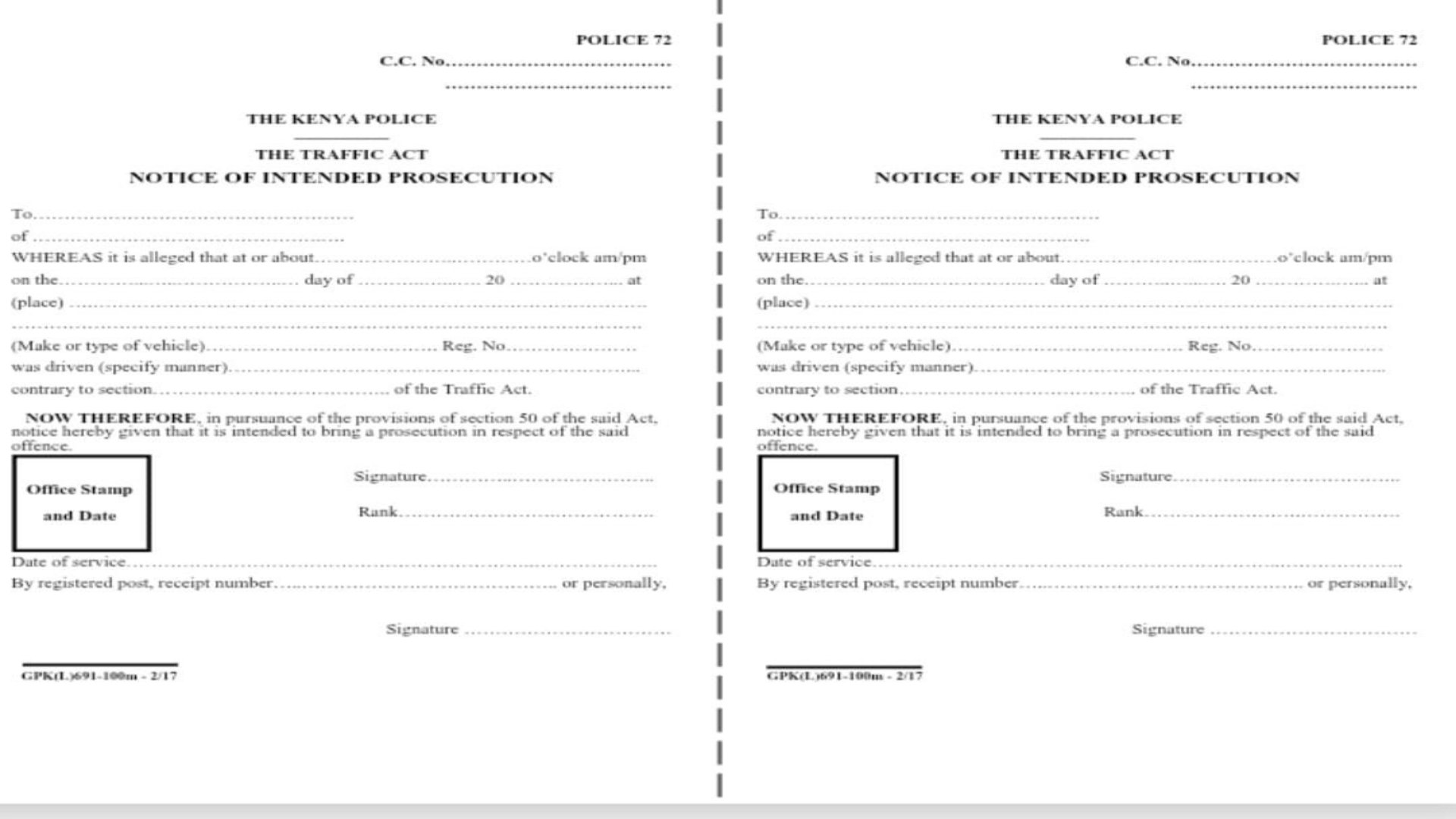
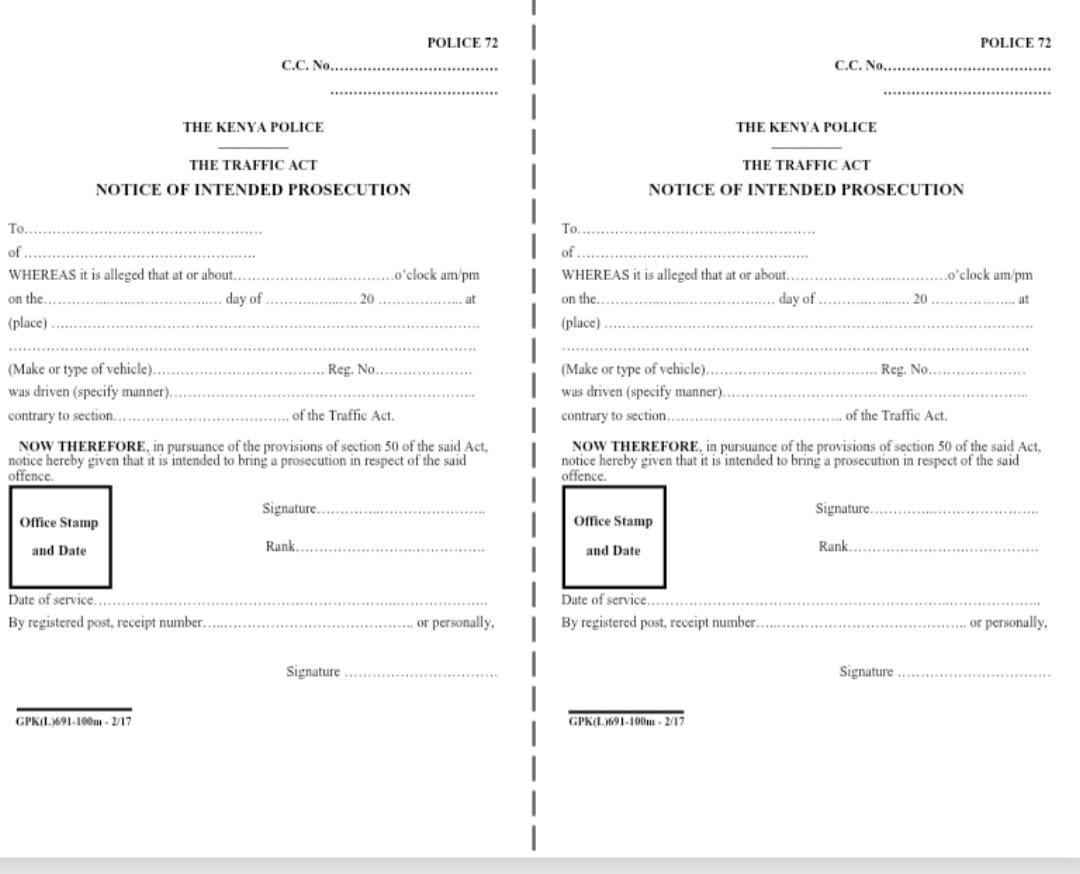
Under Section 116 of the Traffic Act, an officer possesses the legal power to issue an official Notice to Attend Court (NTAC). This mechanism replaces immediate roadside arrests or vehicle towing on the spot.
Drivers are often unaware of this specific alternative.
The document functions as a formal summons, which permits individuals to drive away and continue their day safely.
This provision helps streamline transit across major transport corridors, where traffic standoffs create severe gridlock. Sudden vehicle towing can disrupt local commercial logistics operations significantly, which impacts infrastructure efficiency.
The motorist must present themselves at the designated traffic court, which handles the alleged offense.
This appearance must happen on the exact date and time, which is written on the physical slip. Legally, this notice must be served to the driver within 14 days of the alleged offense.
Skipping the date automatically triggers a formal warrant of arrest.
Commercial transport operators find great value in these clear procedural rules. Truck drivers moving critical freight through the Nairobi Central Business District (CBD) avoid sudden, costly road impoundment, which stalls supply chains.
The regulation prevents unnecessary processing delays at local police stations, if the underlying violation remains minor. It maintains continuous vehicular flow on crucial transit highways.
Logistics companies depend heavily on predictable vehicle movement to meet tight delivery schedules, although minor mechanical or compliance issues frequently arise during routine daily highway inspections.
When an officer utilizes this specific legal instrument, immediate pressure on road networks drops.
It eliminates lengthy arguments by the roadside, which often stall surrounding transit lines and delay essential transport delivery goals.
The system requires absolute accountability from the individual motorist, who receives the physical slip. The tracking mechanism ensures that suspected offenders cannot simply evade their legal responsibilities.
Traffic management agencies focus on keeping critical infrastructure clear. Blocked or towed vehicles on busy urban thoroughfares cause immediate bottlenecks, which delay thousands of commuters every day.
Utilizing the formal court notice preserves vital operational resources for law enforcement. It offers a structured, transparent path to legal resolution, when standard roadside procedures allow it.
Understanding this specific provision remains vital for companies operating large vehicle fleets. It keeps delivery schedules intact, but ensures total legal compliance before a magistrate.
The legal framework successfully balances necessary road discipline with overall operational efficiency. Knowing these rights changes how logistical operations manage unexpected traffic stops on national routes.
The directive clarifies that police cells are not the automatic destination for every minor vehicular fault. This brings clarity to daily road enforcement across Kenyan counties.
Property developers and logistics providers rely on efficient road transport to move construction materials, which means any reduction in roadside transit delays benefits project timelines directly.
Clear communication from authorities helps eliminate arbitrary actions on the road. It ensures that standard legal notices are utilized correctly, when minor traffic offenses are detected.
Ultimately, maintaining clear roads requires cooperation between drivers and officers. Following the court dates outlined in the document remains non-negotiable for anyone who receives the slip.
Comments (0)
Leave a Comment
No comments yet. Be the first to share your thoughts!