
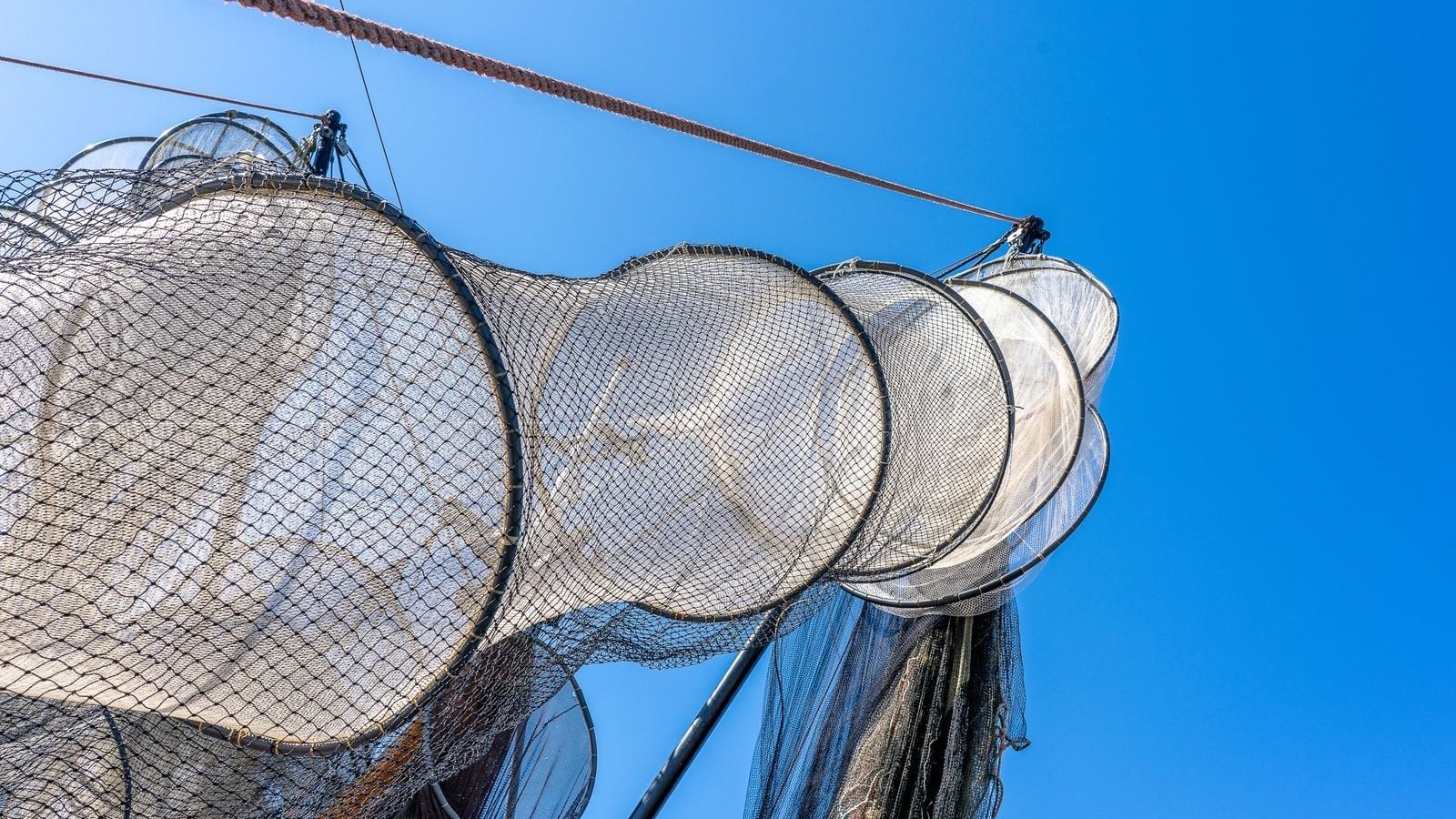

Off the coast of Hainan island, Chinese aerospace engineers recovered an orbital rocket booster using a specialized ship-mounted net system. The Long March 10B booster executed a controlled descent, when tensioned steel cables successfully caught the descending first-stage hardware.
This successful maiden flight landing makes China the second country to recover an orbital launch vehicle stage, following years of American technical dominance. The accomplishment reflects an international effort, as major spacefaring nations transition away from expendable infrastructure toward reusable launch hardware.
SpaceX established commercial booster recovery in December 2015 using its Falcon 9 platform. On July 9, a single Falcon 9 stage completed its record thirty-sixth mission, which demonstrated the operational efficiency and financial benefits achievable through rapid vehicle turnaround.
To eliminate weight penalties associated with traditional landing legs, SpaceX developed mechanical capture systems. Tower-mounted robotic arms catch returning Super Heavy boosters midair, which allows launch operators to maximize payload capacity for deep-space missions and satellite deployments.
Blue Origin entered the heavy-lift category with its ninety-eight-meter New Glenn rocket. Powered by seven methane-fueled engines, the stage landed on an ocean vessel in November 2025, before re-flying in April 2026 to launch National Aeronautics and Space Administration (NASA) planetary probes.
China adapted similar engineering principles for its lunar exploration framework. The seventy-meter Long March 10B utilizes seven engines burning kerosene and liquid oxygen, while targeting a maximum lift capacity of sixteen tons into Low Earth Orbit (LEO).
Instead of heavy foldout legs, the Chinese booster relies on integrated structural hooks. Rail-mounted dollies on a recovery vessel position tensioned cables to absorb kinetic energy, when the rocket lands upright on the sea platform.
Beijing requires reusable launch infrastructure to build out orbital communication infrastructure. Deploying massive low-orbit constellations like Guowang demands high launch frequencies, which remain cost-prohibitive when using traditional single-use rockets that are discarded after a single flight.
Asian space agencies are also advancing experimental testbeds to refine guidance algorithms. The Japan Aerospace Exploration Agency (JAXA) recently conducted a low-altitude flight at the Noshiro testing facility, when its hydrogen-powered vehicle executed a controlled hover maneuver.
The Japanese test craft climbed eleven meters before translating sideways to land safely on a landing pad. Developed alongside European partners, the experiment serves as a technological precursor for next-generation European and Japanese reusable rockets.
Industry analysts stress that physical recovery represents only the first step toward commercial sustainability. Rapid turnaround times and minimal maintenance costs ultimately decide whether a reusable booster fleet delivers genuine cost savings over time.
Most active rockets continue to discard upper stages during orbital placement. Only advanced super-heavy vehicle concepts attempt total recovery, although full reusability remains the primary development objective across global civil and commercial aerospace programs.
High launch cadence is essential for deploying global satellite networks and supporting lunar exploration efforts. Modern space infrastructure demands flexible booster recovery options, as competing nations build long-term, cost-effective access to Earth orbit and beyond.
Comments (0)
Leave a Comment
No comments yet. Be the first to share your thoughts!